The Nile through Egyptian history
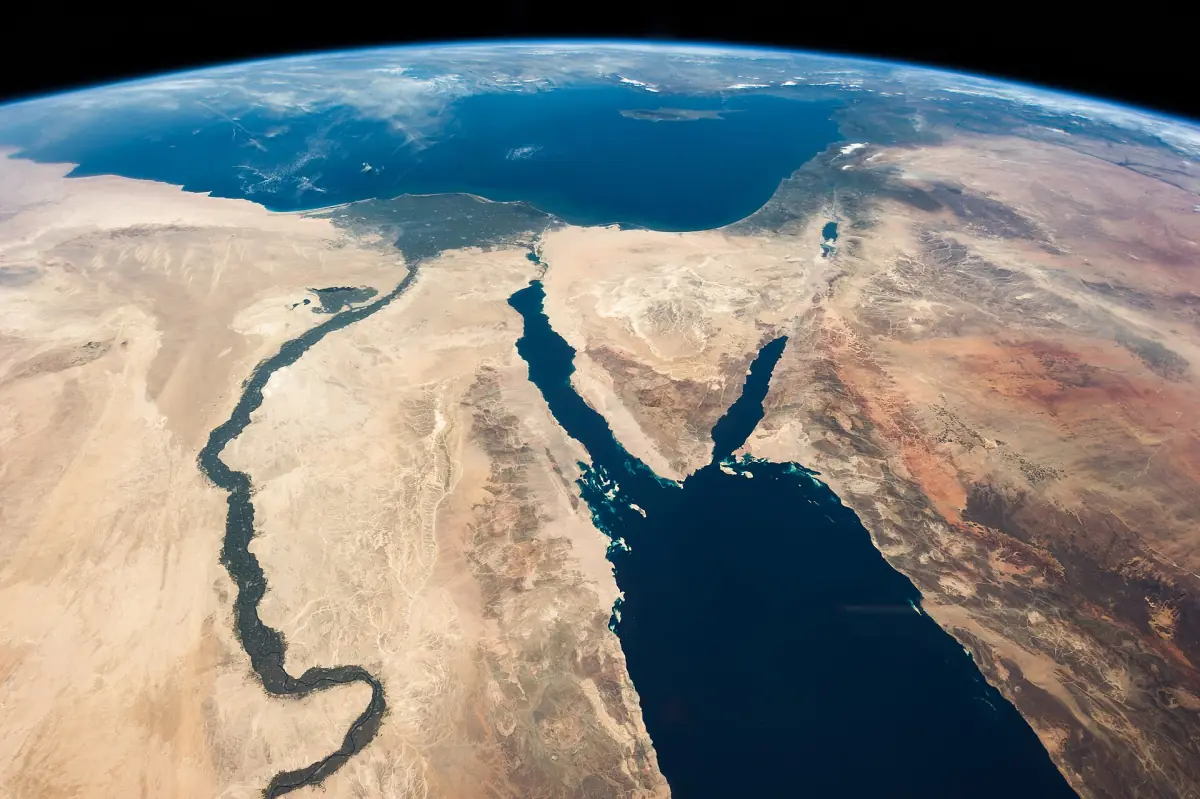
The Nile is the reason Egypt's fields, towns and temples sit where they do. This page follows the river through time: the yearly flood, the calendar built around it, the temples on its banks and the High Dam that changed how the water is used. It is useful background if you plan to sail the river and want to know what you see from the deck.
The stretch most visitors know is the one between Luxor and Aswan. If you are choosing a trip, start with our guide to Luxor to Aswan Nile cruises, then come back here for the story behind the stops. For the length of the river and its sources, see the Nile facts.
The Nile flood, the calendar and counting years
How the river set the rhythm of the year.
Rain far upstream
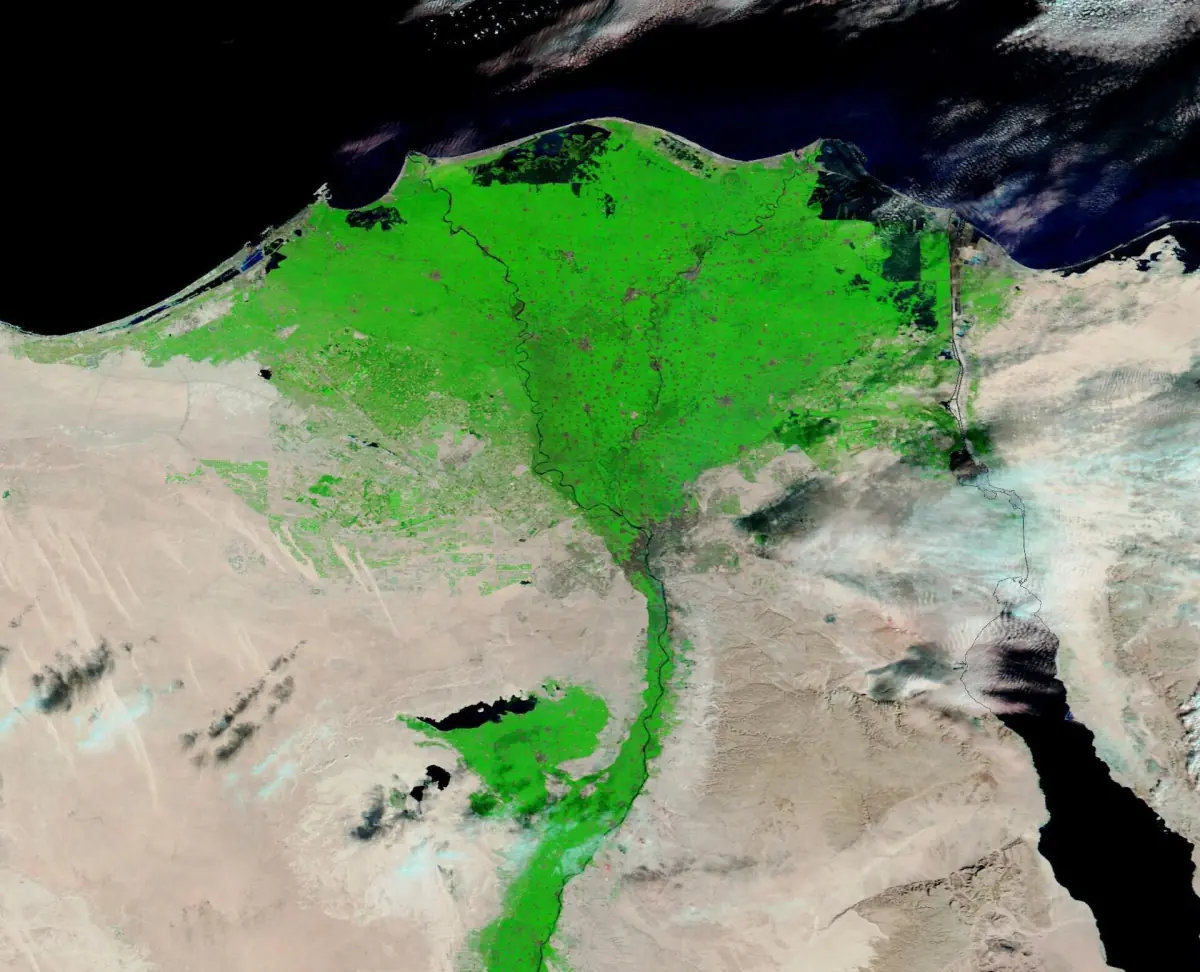
Summer rains in the Ethiopian highlands made the Blue Nile swell, and the flood followed in Egypt. The water spread over the fields and left a layer of silt. The rain fell in Ethiopia, not in Luxor or Aswan, which get almost none.
Three seasons of four months
The civil calendar had 12 months of 30 days and 5 extra days. The year was divided into three seasons of four months: Akhet (flood), Peret (growth) and Shemu (harvest). Without a regular leap day, the calendar slowly drifted against the solar year.
Years counted by rulers
Years were often counted as regnal years of a king, so there is no single year zero running through the whole pharaonic period. That is why dates for monuments appear as spans, such as 237 to 57 BC for Edfu.
Our pick: temples along the river
Our take: the temples of Edfu and Kom Ombo on the drive from Aswan to Luxor.
Hand-picked tours, booked through GetYourGuide. Prices are indicative starting prices in US dollars (as of October 2026). Tap a tour for live availability and the current price in your currency.
Nile cruises and tours in Egypt
Cruises from Luxor to Aswan, felucca rides and temple visits, with live prices and availability.
Temples built on the river
Four places that connect the history to a cruise.
Edfu
The temple stands on the west bank and is dedicated to Horus. Building began in 237 BC and ended in 57 BC, under the Ptolemies.
Edfu temple guide →Kom Ombo
A Greek and Roman double temple with two parallel sanctuaries, one for Sobek and one for Haroeris, also called Horus the Elder. The museum next to it opened in 2012 and shows crocodile mummies and objects linked to Sobek.
Kom Ombo guide →Philae
Mostly Ptolemaic buildings around the main sanctuary of Isis. Today the temple stands on the island of Agilkia, not on its original island.
Aswan guide →The Unfinished Obelisk
The stone lies in the granite quarry at Aswan. It was probably ordered for Hatshepsut and abandoned because of cracks. Finished, it would have stood about 42 m (138 ft) high and weighed about 1,168 tonnes.
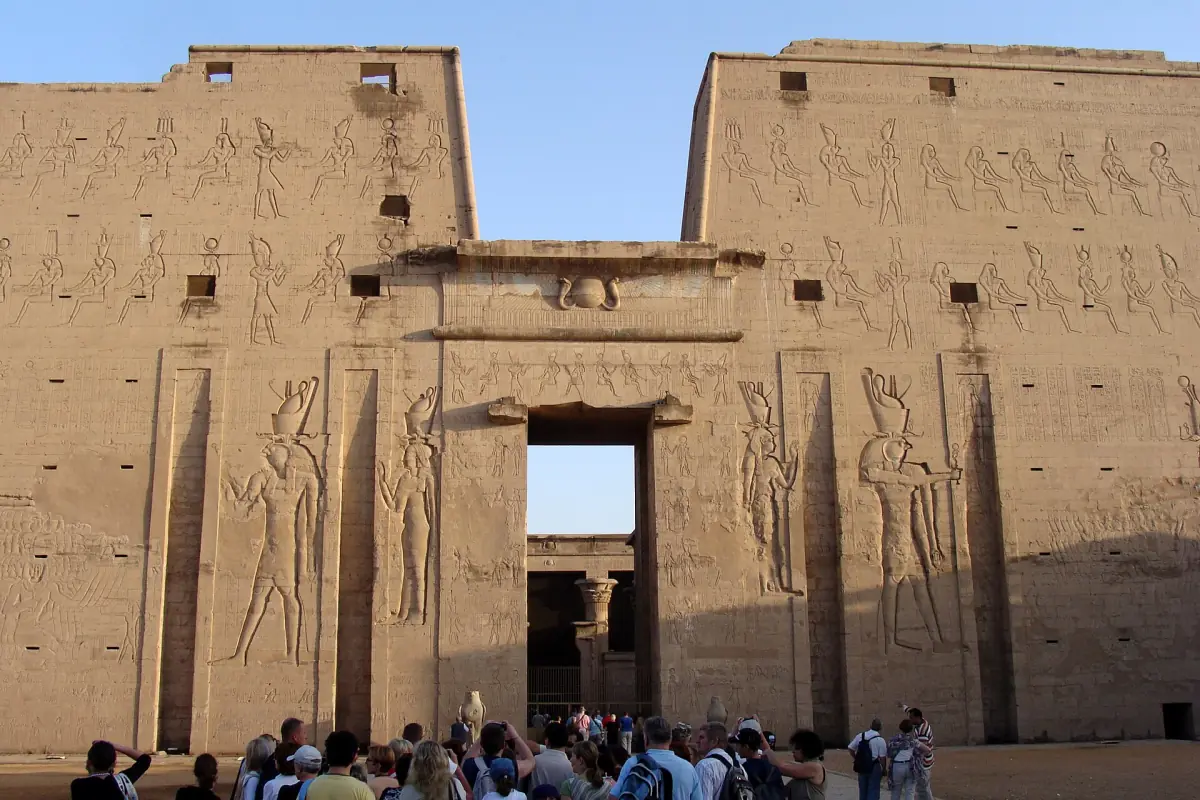
Edfu: the Temple of Horus
Tickets, opening times and how the temple fits into a cruise.
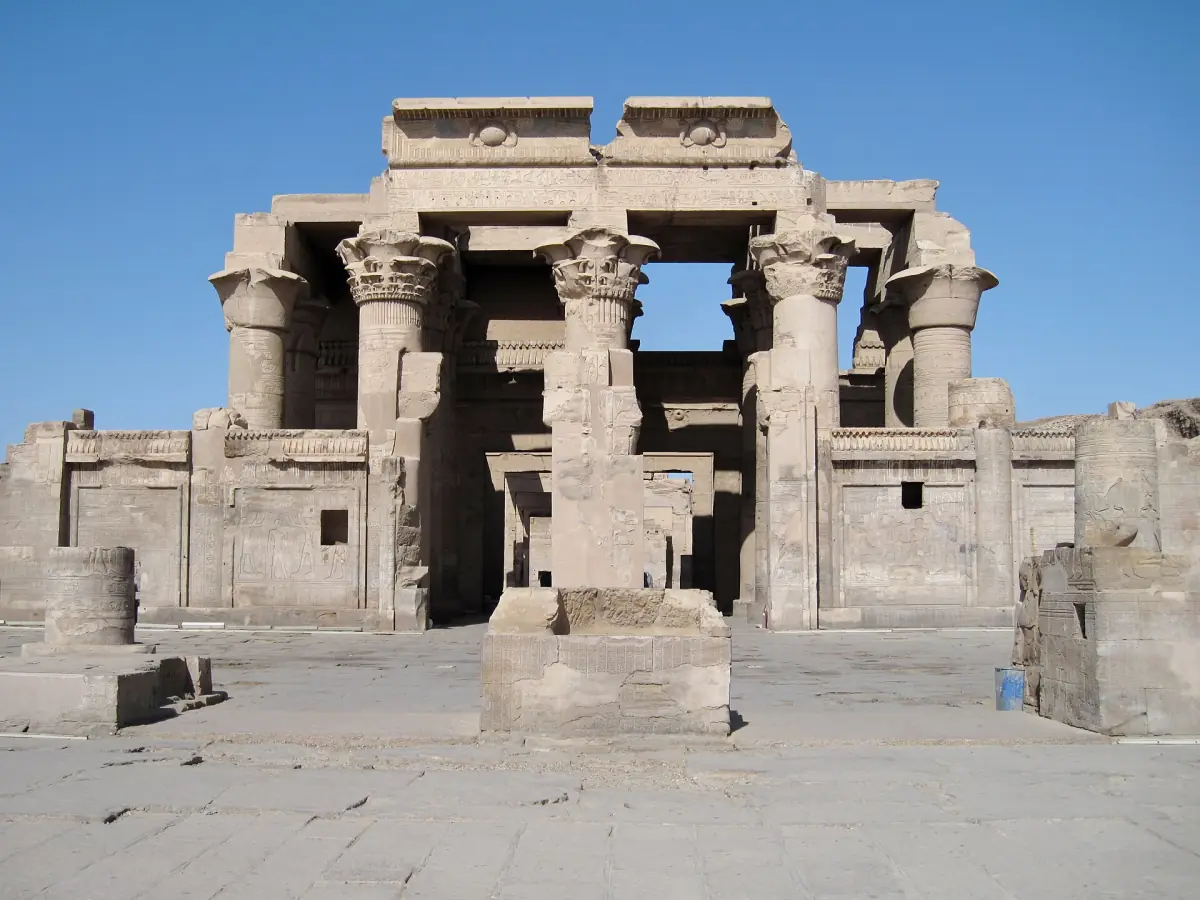
Kom Ombo and the crocodile museum
One ticket covers the temple and the museum.
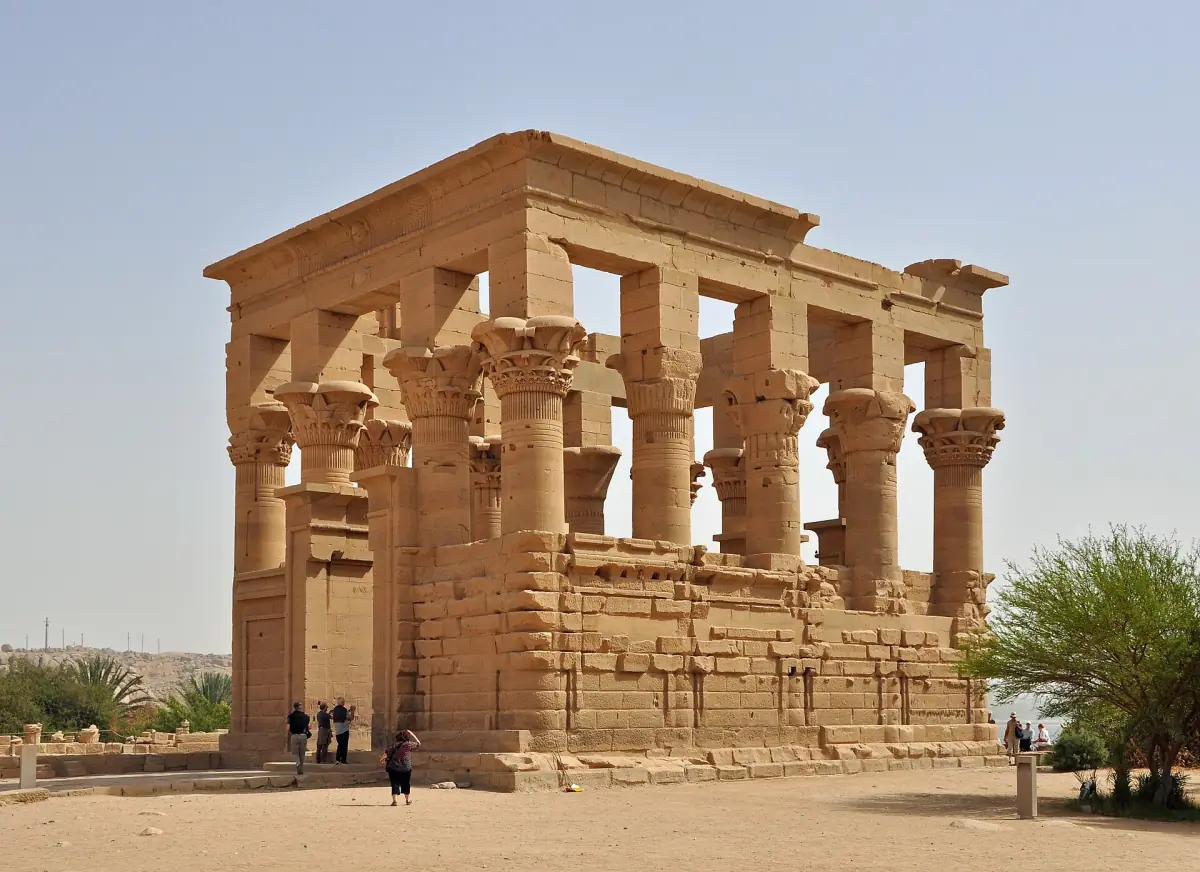
Aswan: Philae, High Dam and more
The sights around the southern end of the cruise.
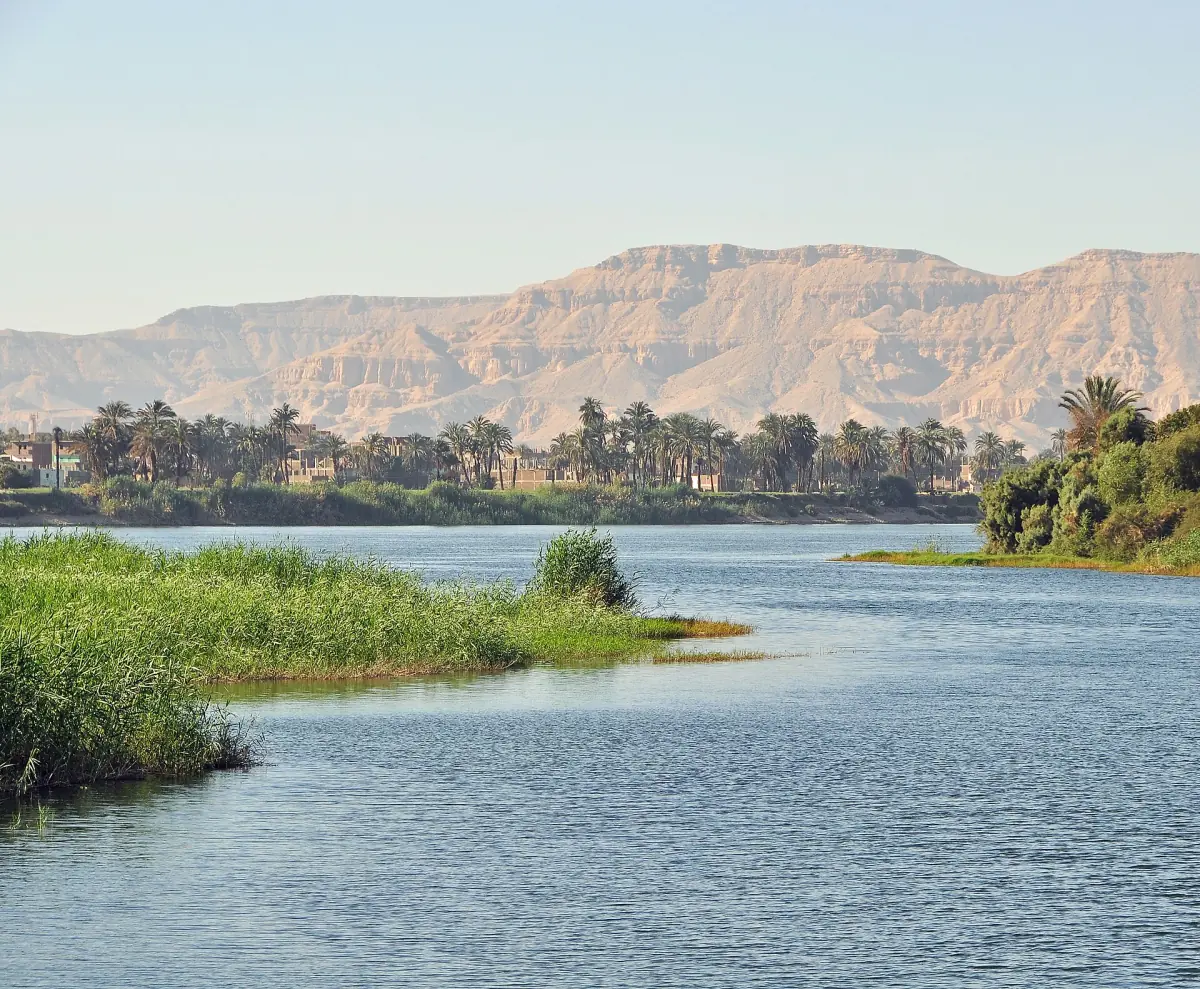
Nile River facts
Length, sources, dams and countries of the basin.
The royal tombs on the west bank at Luxor have their own guide: read about the history of the Valley of the Kings.
The Aswan High Dam and the rescue of monuments
The body of the High Dam was finished in July 1970. The formal inauguration came on 15 January 1971. These are two different dates, not two versions of the same one. The dam stores water to regulate the flow, to supply water and to produce electricity, and its reservoir reaches into Sudan. You can sail on it: see our Lake Nasser cruise guide.
Because the water is now managed, irrigation today is different from the old natural yearly flood. The rising reservoir also threatened monuments in Nubia. Philae was moved from its original island to Agilkia to save it from flooding. The Nubian Museum in Aswan, opened in 1997, shows Nubian cultural history and explains the rescue campaign. For the people of the region, see Nubian culture.
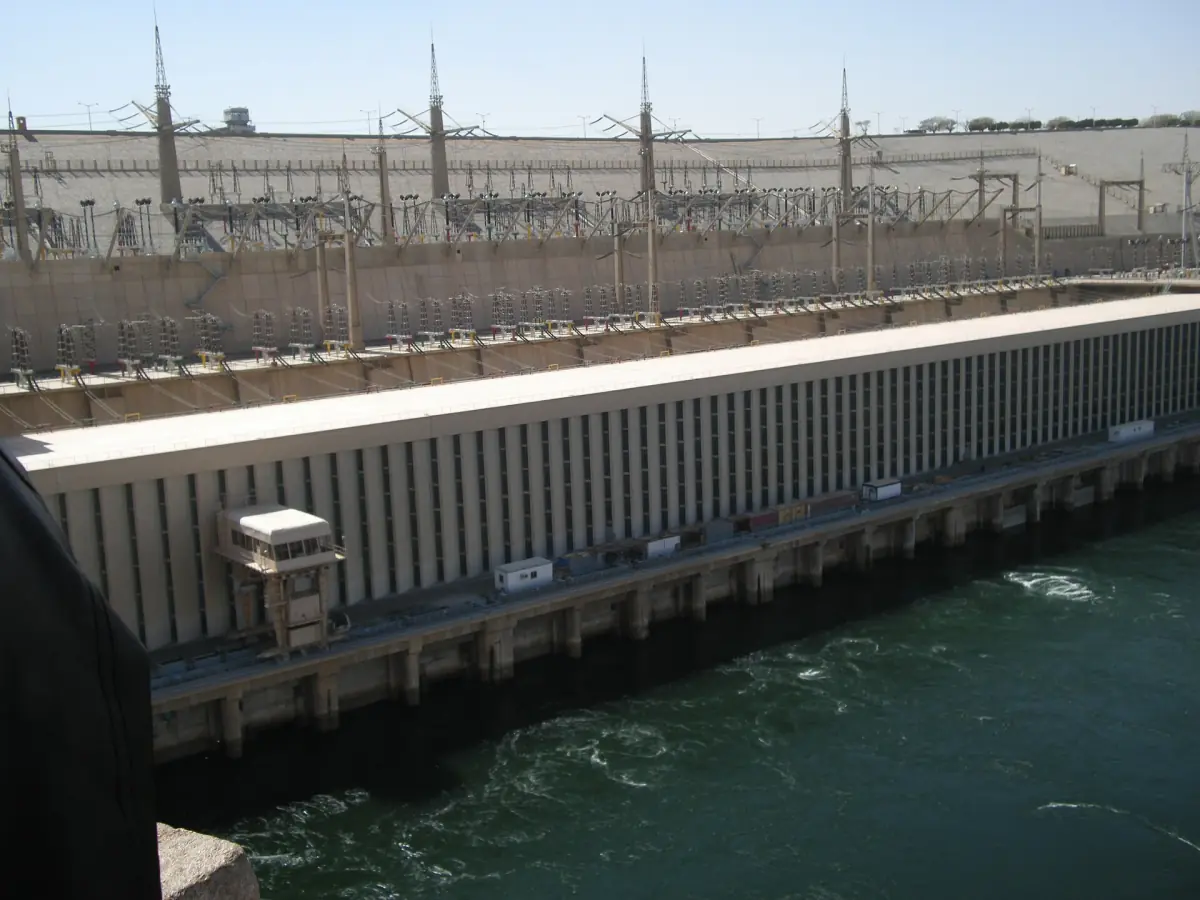
The river beyond Egypt
The Nile has two main arms. The White Nile comes from the lake region of East Africa, the Blue Nile from Ethiopia, and they join at Khartoum before the river flows north. The Blue Nile leaves Lake Tana in Ethiopia. The river also leaves Lake Victoria at Jinja in Uganda, where a tourist site marks the source of the Nile. Where the river begins depends on how you define the source, and Jinja is the one you can visit.
The Grand Ethiopian Renaissance Dam stands on the Blue Nile in Ethiopia, near the border with Sudan. It was inaugurated on 9 September 2025. Ethiopia stresses power generation and regulation of the flow. Egypt objects to a one-sided approach to building and operating the dam and asks for the protection of downstream countries. The Nile is usually counted among the longest rivers, at roughly 6,650 to 6,670 km, but which river is the longest depends on how it is measured.
Nile history: frequently asked questions
What caused the yearly Nile flood?
Summer rains in the Ethiopian highlands raised the Blue Nile, and the flood reached Egypt downstream. It covered the fields with silt. It was not caused by rain in Upper Egypt, which is very dry.
When was the Aswan High Dam built?
The structure was finished in July 1970 and inaugurated on 15 January 1971. Use July 1970 for the structure and 15 January 1971 for the inauguration.
Does the Nile still flood every year?
Not as it once did. The High Dam stores water and regulates the flow, so irrigation today is managed and differs from the natural yearly flood of earlier times.
Why was Philae moved?
Philae was moved from its original island to Agilkia to protect the temples from flooding. Today the Temple of Isis stands on Agilkia, and visitors reach it by rented boat.
How did the ancient Egyptians count years?
Years were often counted by the reign of a king. The civil calendar itself had 365 days, in three seasons of four months and five extra days. See the best time for a Nile cruise for today's seasons.
Is the-nile.org an official site?
No. This is an independent travel guide with no connection to the tourism authorities, museums, ship operators or tour companies.